

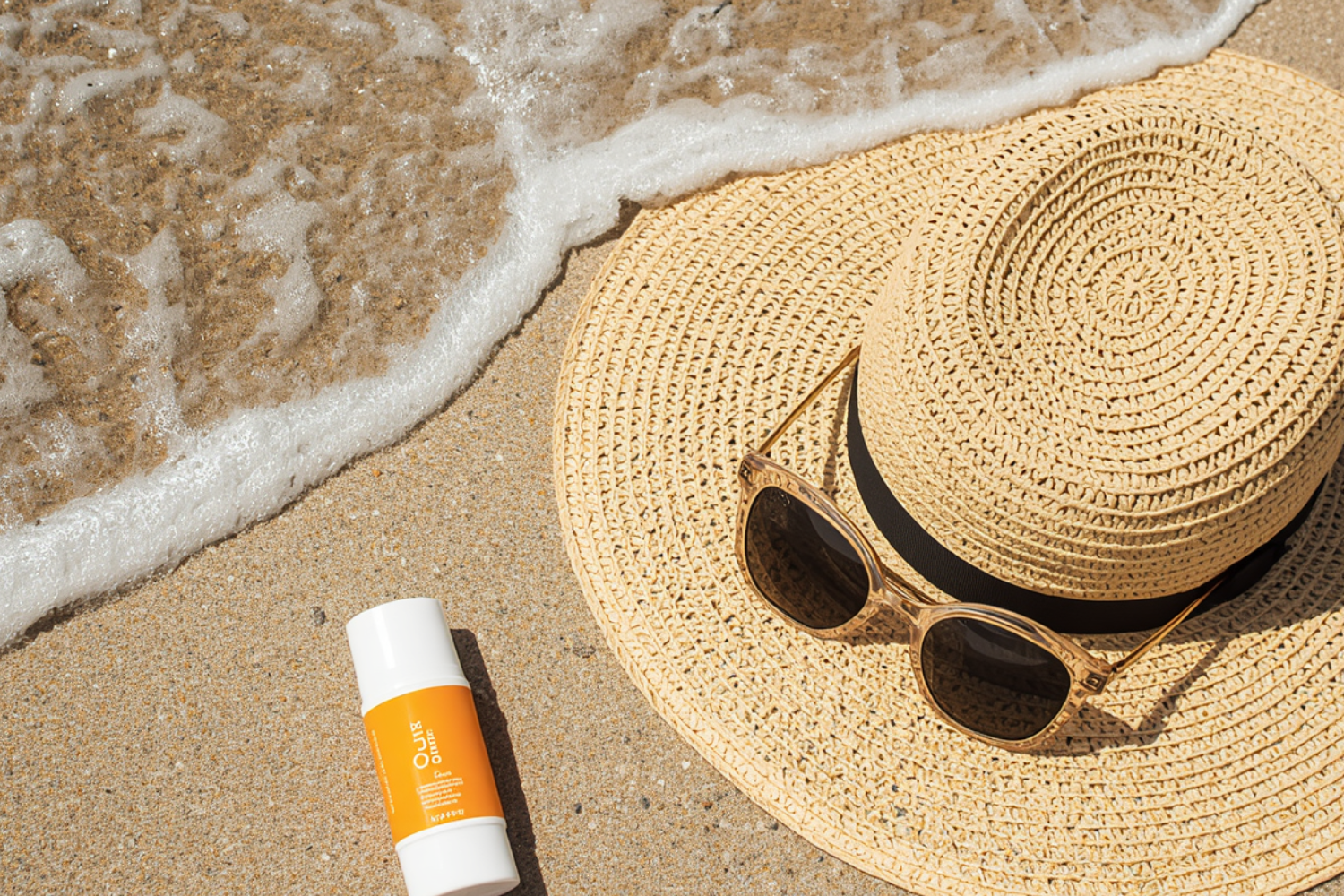
Our skin is exposed to numerous environmental factors daily, and protecting it from the sun's rays becomes even more important during the summer months, especially with the rise in temperatures and the extended periods of sun exposure. Ultraviolet (UV) radiation can affect the skin's health and appearance, contributing to the appearance of dark spots and premature wrinkles, and can cause sunburn with excessive exposure.
Summer skincare is not just about using the right products, but it starts with understanding how to protect the skin from the sun, choosing the right sunscreen, maintaining hydration, and adjusting the skincare routine according to the skin's needs.
In this guide from your beauty blog, you will learn about the most important ways to protect yourself from the sun, how to choose sunscreen and apply it correctly, along with steps for skin and hair care during hot days, and common mistakes that should be avoided to get healthy skin and a more radiant appearance.
Why is sun protection essential for skin health?
Sunlight contains ultraviolet (UV) radiation that reaches the skin at varying levels. UVA rays contribute to premature skin aging, while UVB rays are associated with sunburn. Both types of UV radiation can increase the risk of skin cancer.
For this reason, the use of sunscreen should not be associated only with extremely hot days; temperature is not a direct measure of the strength of ultraviolet rays.
The most significant dangers of excessive sun exposure:
1. The appearance of signs of premature aging
Repeated exposure to ultraviolet radiation may contribute to the appearance of fine lines and wrinkles, and may also affect skin elasticity over time.
2. Pigmentation and dark spots
Sun exposure can increase melanin production, which may worsen dark spots and uneven skin tone, and may increase the visibility of some cases of melasma.
3. Sunburn and redness
Excessive exposure may lead to skin redness, pain, and heat, and in severe cases, blisters or peeling may appear.
4. Effect on collagen
Repeated exposure to ultraviolet radiation contributes to damage to collagen and skin-supporting proteins, which may affect skin firmness and appearance.
5. Increased risk of developing skin cancer
Ultraviolet radiation is linked to an increased risk of skin cancers; therefore, daily prevention is an important part of maintaining healthy skin, and not just a cosmetic step.
Remember that the appearance of pigmentation or wrinkles does not necessarily mean that the sun is the only cause; other factors such as age, genetics, hormones and some skin conditions also play a role.
How to choose the right sunscreen for your skin:
Sunscreen is one of the most important steps in your skincare routine, but choosing a product depends not only on the brand or price, but also on the level of protection and its suitability for your skin type and the nature of your daily activity.
Choose a broad-spectrum sunscreen:
Look for the phrase "Broad Spectrum," as it indicates that the product provides protection against UVA and UVB rays.
It is preferable to choose a sunscreen with an SPF of 30 or higher for normal use, with an SPF of 50 or higher when additional protection is needed, especially during long outdoor activities.
However, a high SPF number does not mean you can stay in the sun longer without reapplying; the method of use, the amount, and the frequency of application are key factors in the effectiveness of protection.
Choosing sunscreen according to skin type:
Oily skin: Look for a light formula that doesn't increase the feeling of oiliness, such as a gel or light emulsion, and you can choose a product that says it doesn't clog pores.
Dry skin: Creamy formulas containing moisturizing ingredients, such as glycerin or ceramides, may suit you.
Sensitive skin: Choose a simple, fragrance-free formula if perfumes irritate your skin, and you can try a sunscreen containing zinc oxide or titanium dioxide if it suits you.
Acne-prone skin: Look for non-comedogenic products, keeping in mind that this label does not guarantee that everyone will not get pimples.
Skin suffering from pigmentation: Adherence to a broad-spectrum sunscreen is important, and tinted formulations containing iron oxides may be helpful for some pigmentation conditions because they also provide protection from a portion of visible light.
There is no single type that is perfect for everyone; the best product is one that provides adequate protection and that you can use in the right amount and regularly.
Do you need a waterproof sunscreen?
If you plan to swim or engage in an activity that causes sweating, choose a sunscreen that is clearly labeled as water-resistant.
The resistance time is typically set at 40 or 80 minutes, depending on the product's testing. This does not mean it is waterproof all day; it must be reapplied according to the instructions, and after swimming, perspiring, or toweling.
The correct way to use sunscreen:
You may choose a good product, but using too little of it or forgetting some areas of the body reduces the level of protection you get.
What is the appropriate amount of sunscreen?
Apply a generous and even amount to all exposed areas of skin. The base of two fingers can be used for the face and neck as a rough guide to remembering the amount, but it is not an accurate measurement that works for all faces or all products.
For fully exposed adult skin, approximately 30 ml is usually used when covering the entire body, with the amount adjusted according to the area of exposed skin.
Don't forget the ears, hairline, back of the neck, backs of the hands, tops of the feet, and any area not covered by clothing.
When do you apply sunscreen and when do you reapply it?
Follow the package instructions regarding when to use it before going out, and apply it as the last step in your skincare routine before makeup if you use it.
Reapply sunscreen every two hours while outdoors, and after swimming, heavy sweating, or toweling off. Don't rely on applying it once in the morning for all-day protection.
If you spend most of your time indoors away from windows, your practical need for reapplication may differ from sitting near a window exposed to sunlight or frequent outdoor activities. Therefore, consider your actual exposure and the product instructions.
Does the skin need sunscreen on cloudy days?
Yes, ultraviolet (UV) rays can reach the skin even on cloudy days. Therefore, it is advisable to use appropriate sun protection based on the UV index and the nature of the exposure, not just on the presence of visible sunlight.
Sunscreen alone is not the only means of protection; staying in the shade, wearing appropriate clothing, a hat, and sunglasses are all helpful steps.
Summer skincare routine
Your skin needs a wide range of products to stay healthy. Often, a simple, consistent routine is enough, with products adjusted according to your skin's needs and the weather.
Morning routine, evening routine
First step: Remove sunscreen and impurities
Use a gentle cleanser to remove sunscreen, sweat, and dirt. If the sunscreen is water-resistant or difficult to remove, you can use an oil-based cleanser or cleansing balm first, then a gentle cleanser suitable for your skin type as needed.
Double cleaning is not necessary for everyone, especially if one cleaner effectively removes the product without drying out the skin.
Step two: Use therapeutic products when needed
If you are using retinoids or exfoliating acids, follow the product instructions and your specialist's recommendations. Do not start using several strong ingredients at the same time, especially if your skin is sensitive or irritated.
Step three: Moisturizing the skin
Finish your routine with a moisturizer that helps reduce moisture loss and supports the skin barrier.
What are the best moisturizing ingredients for summer?
Some ingredients can help moisturize the skin without leaving a heavy feeling, including:
- Glycerol: It attracts water and helps to moisturize the outer layer of the skin.
- Hyaluronic acid: It helps retain water in the skin.
- Ceramides: It supports the skin barrier and helps reduce moisture loss.
- Panthenol: It may help to soothe the skin and support hydration.
Choose the formula according to your needs, and don't assume that every lightweight product is necessarily suitable for all skin types.
How to care for your skin after sun exposure:
If you spend a lot of time outdoors, your skin may need a relaxing routine to help it regain comfort and moisture.
Care steps after a long summer day:
Protecting hair from the sun and heat in the summer:
Summer care doesn't stop at skincare; hair can also be affected by UV rays, heat, and frequent swimming. Some people may experience increased dryness, tangles, and split ends, especially those with dyed or chemically treated hair.
Simple ways to protect hair from the sun
Wear a suitable hat: The hat helps reduce the exposure of the scalp and hair to direct sunlight, and provides additional protection for areas that may not be covered by hair.
Reduce prolonged sun exposure: Try to stay in the shade during periods of high UV index.
Use suitable hair products: Some products designed to protect against UV rays can help reduce some of the effects of exposure, but their effectiveness varies depending on the formula. Do not use them as a substitute for a hat or other protective measures.
خIn direct heat: Reduce your use of hair dryers and straighteners at high temperatures, and use a heat protectant specifically designed for hair when needed.
How can you protect your hair from chlorine and seawater?
Before swimming, you can wet your hair with fresh water and wear a swim cap if suitable for the activity. This may help reduce the absorption of chlorinated water or seawater by the hair, but it does not completely prevent the effect.
After swimming:
- Rinse your hair thoroughly with fresh water.
- Use a suitable shampoo to remove chlorine or salt residue when needed.
- Apply a conditioner that helps detangle and reduce friction.
- Use a moisturizing mask as needed for your hair, instead of overdoing it with heavy treatments.
Do not rely on coconut oil or other oils as a guaranteed UV protectant; household oils do not provide a reliable substitute for protection designed for this purpose.
Daily habits that help maintain youthful skin:
Drink fluids regularly:
Make sure to drink water regularly, and pay extra attention to fluids when you sweat or are active in hot weather. Needs vary depending on age, activity level, weather, and health condition, so there is no single number of glasses that suits everyone.
Fruits and vegetables rich in water, such as watermelon, cucumber, and oranges, can help support body hydration as part of a balanced diet.
Eat a balanced diet:
Fruits, vegetables, nuts, seeds, and fish contain nutrients that the body needs, including vitamins, essential fats, and antioxidants.
However, eating a certain type of food does not prevent sunburn and does not replace the use of sunscreen and protective clothing.
Get enough sleep:
Regular sleep helps support overall health and normal bodily functions. Try to maintain a suitable sleep schedule and avoid staying up late as much as possible.
Common mistakes that reduce the effectiveness of sun protection:
Relying on sunscreen alone:
Even when using sunscreen, it is preferable to combine it with shade, appropriate clothing, a hat, and sunglasses, especially when exposed to prolonged sun.
Use a small amount:
Applying a very thin layer may reduce the actual level of protection. Distribute a generous amount evenly over all exposed areas.
Forgetting to reapply:
Applying sunscreen in the morning isn't enough if you're going to be in the sun for long hours. Reapply it every two hours outdoors, and after swimming, heavy sweating, or toweling off.
Considering other products as an alternative to sunscreen:
Moisturizers, serums, and hair oils don't necessarily provide the necessary protection from UV rays. Use a sunscreen with the appropriate SPF rating, even if another product in your routine contains antioxidants.
Excessive peeling when pigmentation appears:
Excessive exfoliation or combining several strong ingredients can irritate the skin and may make some pigmentation more noticeable. Start gradually, discontinue irritating products, and consult a dermatologist if the problem persists or worsens.
Frequently asked questions about sun protection and skincare:
Should sunscreen be used daily?
It is advisable to use a broad-spectrum sunscreen on exposed areas when there is a possibility of UV exposure, taking into account the UV index and the nature of the activity. Protection is especially important when going out during the day or sitting near windows exposed to sunlight.
Does sunscreen completely prevent pigmentation?
Sunscreen does not guarantee the prevention of all pigmentation, but it helps reduce the effects of UV exposure, and consistent use may help prevent some pigmentation cases from worsening. Some cases may require medical evaluation and further treatment.
Can sunscreen be used on oily skin?
Yes, there are lightweight formulas suitable for oily and acne-prone skin. Look for a broad-spectrum, non-comedogenic product if your skin responds better to that type of formula.
Does sensitive skin need a different sunscreen?
Sensitive skin may benefit from fragrance-free formulas, and a mineral sunscreen containing zinc oxide or titanium dioxide may be suitable. However, tolerance varies from person to person, so it's advisable to test the product on a small area first.
Do I need sunscreen in winter or on cloudy days?
Skin can be exposed to ultraviolet (UV) radiation in all seasons, even on cloudy days. Therefore, it is best to take appropriate precautions based on the UV index and level of exposure, not just the temperature.
Can sunscreen cause acne?
Some formulas may not be suitable for all skin types, but not all sunscreens cause breakouts. Try a formula that suits your skin type, and discontinue use if it causes noticeable irritation or persistent worsening of the problem.
What should I do if I get sunburn?
Healthy skin begins with regular care and protection from factors that may harm it, and remains Sun protection One of the most important steps you can commit to throughout the year, not just in the summer.
Choose a broad-spectrum sunscreen suitable for your skin type, use the correct amount, and reapply as needed. Support your routine with gentle cleansing, moisturizing, and additional protection, while also taking care of your hair and minimizing prolonged exposure to heat and sun.
You don't need a complicated routine or a huge number of products; the most important thing is to stick to a suitable and reliable routine. Follow your beauty blog for more practical articles on skincare and haircare, and always choose what suits your actual needs.
Note: This article is for general education and care purposes, and does not replace consulting a dermatologist in case of persistent skin changes, unusual pigmentation, or severe burns.

A beautiful and absolutely wonderful blog, always moving forward